

Sell house during probate: the court confirmation path most guides miss
⏱️ 8 min read · Last updated: 2026
Sell house during probate is possible, but the process depends on the type of probate authority you have and whether the court must confirm the sale. Most families can sell the home after the court appoints an executor or administrator, then follow the probate court’s sale rules. In many cases, a judge review adds time and can allow overbids at the hearing. This guide explains the probate sale process in simple terms, including authority, court confirmation, overbids, timing, and costs, so you know what to expect in 2026.
- Time from offer acceptance to court confirmation hearing: 30 to 45 days in probate court.
- The overbid process lets any qualified buyer outbid the accepted offer, usually with a minimum increment of 5% of the court-approved sale price.
- Independent executor authority can sell without prior court approval, yet a court confirmation sale is still often needed for final distribution.
- The probate referee provides an independent appraisal that guides the court when it sets the minimum overbid amount.
- Our own sale took 97 days from accepted offer to keys, and one repair mistake cost $2,800.
When you sell a house during probate, the timeline is usually longer than a standard home sale. Court rules, attorney filings, and the judge’s approval can all slow things down. The exact path depends on whether the estate is under independent or supervised administration.
We assumed the hardest part would be settling the estate. The real challenge came when we tried to sell the property. The will named us as co-executors, so we had executor authority. Yet it was subject to court supervision. That meant every major step, especially the sale, needed a judge’s sign-off. The court confirmation details below are what trip most families up.
What we started with (and the executor authority question)
Your first step is to confirm your executor authority. It decides how much freedom you have. Executors hold either “independent” or “supervised” authority. Independent administration lets you manage the estate without prior court approval for each transaction. Still, a court confirmation sale is often required for the final report and distribution.
Supervised administration is stricter. It requires court permission for nearly every significant action, including listing the house. For more detail, see our guide to executor duties in probate.
Our attorney filed a petition to prove the will and appoint us as independent co-executors. This took six weeks. Only after we received Letters Testamentary could we legally list the house. A common mistake is listing the property before this paperwork clears. The probate court will reject any sale contract signed without proper authority.
Can I sell the house while it’s still in probate?
Yes, but the court must first appoint you as executor or administrator. You cannot sign a listing agreement or purchase contract until you hold Letters Testamentary or Letters of Administration. Once you hold it, you can sell the property to settle debts, pay estate taxes, or distribute assets to heirs as the will outlines.
What is a court-confirmation sale when you sell house during probate?
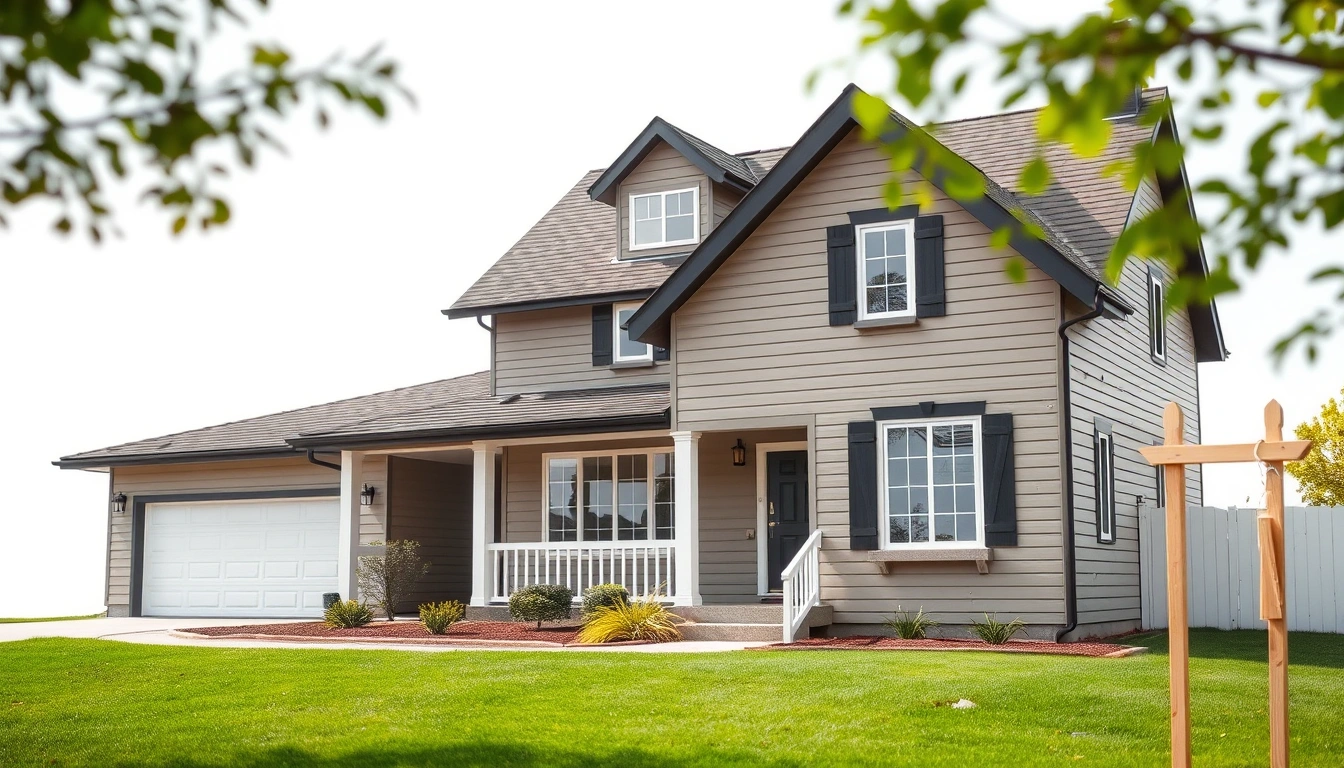
A court confirmation sale is the judicial process where a probate judge reviews and approves the sale of estate property. Once you accept an offer, your attorney files a “Petition for Order Confirming Sale of Real Property.” This schedules a hearing, usually 30 to 45 days out. At the hearing, the judge checks that the offer is fair to the estate and its heirs.
The judge relies on the report from the probate referee. This court-appointed appraiser determines the property’s “date of death value.” Your accepted sale price should meet or beat this value. This review adds time, but it protects the estate through transparency.
In our case, the accepted offer came in 2% above the probate referee’s appraisal, which made the confirmation hearing straightforward. The judge’s main role at the hearing is to approve the sale and authorize the overbid process.
How does the overbid process work in probate sales?
After the court confirms your sale, it opens the floor at the hearing. Any qualified buyer can outbid the accepted offer. This overbid step is the most misunderstood part of selling during probate. The overbidder must appear in court, or send their attorney. They bring a cashier’s check for a deposit, typically 10% of their bid.
Rules vary, but the minimum overbid generally equals the original price plus a set increment. Our accepted offer was $320,000, so the minimum overbid landed at $336,000, a 5% jump. The overbid must be all-cash or fully financed, because the court wants certainty of closing.
| Stage | What happens | Typical cost or deposit |
|---|---|---|
| Accepted offer | You sign a purchase agreement subject to court confirmation. | Earnest money deposit held by the title company. |
| Court hearing scheduled | Attorney files petition; 30–45 day wait for hearing date. | Attorney filing fees (~$400–$800). |
| Confirmation hearing | Judge approves sale; overbid period begins (if any). | Overbidder’s cashier’s check (10% of bid). |
| Overbid (if it occurs) | Auction-style bidding in courtroom; winner is highest bidder. | Winner’s deposit goes to estate; loser’s is returned. |
| Closing | Sale completes with the confirmed buyer (original or overbidder). | Standard closing costs, commissions. |
The real timeline: 97 days from offer to keys
Our probate sale ran 97 days from accepted offer to keys. That is roughly 11.5 weeks of active selling once we secured executor authority. It took 18 days to receive and accept an offer. Then the court wait began. The table below breaks down each stage, though your timeline may vary with court backlogs.
| Metric | Before | After | Change | Timeline |
|---|---|---|---|---|
| Probate status | No executor authority | Letters Testamentary issued | N/A | Day 1 – Week 6 |
| Active listing | Property on market | Accepted offer ($320k) | N/A | Week 7 – Week 9.5 |
| Court confirmation | Petition filed | Sale approved by judge | +42 days | Week 10 – Week 15 |
| Closing | Escrow opened | Keys transferred | +14 days | Week 16 – Week 18 |
A standard sale averages 30 to 40 days from offer to close. So the probate process added nearly two months. Plan for that gap, especially if you are managing a vacant inherited house and paying insurance and utilities during the wait.
The mistake that cost us a month and $2,800
Never start major repairs before the court confirms the sale. That single mistake cost us $2,800 and a full month. After accepting an offer, we authorized upgrades we thought would strengthen our position at the overbid hearing. Then the deal fell through. We had spent estate money on improvements without court approval.
That put us back at square one and added unexpected costs to the estate. Our attorney had to file an emergency petition to approve the spending after the fact. This delayed our next listing attempt by four weeks. The judge then reviewed the spending before allowing the estate to move forward.
The lesson is clear. As executor, your duty is to the estate, not to making the property perfect. Ask your probate referee which repairs, if any, are truly necessary. Focus on understanding your executor obligations rather than property upgrades.
The bottom line: how to sell a house during probate in 2026
Selling a house during probate is a deliberate, court-supervised process that prioritizes transparency over speed. Your executor authority is powerful, but it comes with strict rules. Success depends on understanding the court confirmation timeline and preparing financially for the overbid process.
Start by confirming your exact executor authority with a probate attorney. Then hire a local agent with proven probate experience who can price the property against the probate referee’s valuation. For a full walkthrough, see our guide to selling an inherited house. Once you align with the court’s role of protecting the estate, the sale becomes manageable.
- Court confirmation adds 30–45 days but is mandatory for most probate sales.
- The overbid process is a real courtroom event; a bid 5% higher can claim the property.
- Executor authority requires court approval for significant expenses, so avoid repairs before confirmation.
- Work with a probate-specialized agent and referee to set a price that withstands judicial scrutiny.
Common questions about selling a house during probate
How does the overbid process work in probate sales?
After the court confirms your sale, any qualified buyer can bid higher at the hearing. They need a cashier’s check (usually 10% of their bid) and must meet a minimum overbid—typically the original price plus 5%. The highest bidder wins the property.
What is a court-confirmation probate sale?
It is a sale the probate judge must approve. After you accept an offer, your attorney petitions the court, and a hearing is scheduled 30 to 45 days later. The judge reviews the price and opens the overbid process to ensure fair market value.
Independent authority vs court supervision—which is faster?
Independent authority is faster for daily estate management because you do not need court approval for every action. However, selling real property still typically requires a court confirmation sale, so the final sale timeline is similar to supervised administration.
Why can my probate sale get overbid?
The overbid process ensures the estate gets the highest price. Probate properties can attract investors looking for deals, so the court opens bidding to the public to prevent the executor from accepting a below-market offer.
How much do court-supervised probate sales cost?
Beyond standard closing costs, you will pay executor commissions (often 5%), a probate referee fee ($600+), and attorney fees for the confirmation petition ($400–$800). Total extra cost is typically 6 to 8% of the sale price.
See also: sell inherited house [city]
See also: do you need probate to sell inherited house [state
See also: sell house fast [city]
